
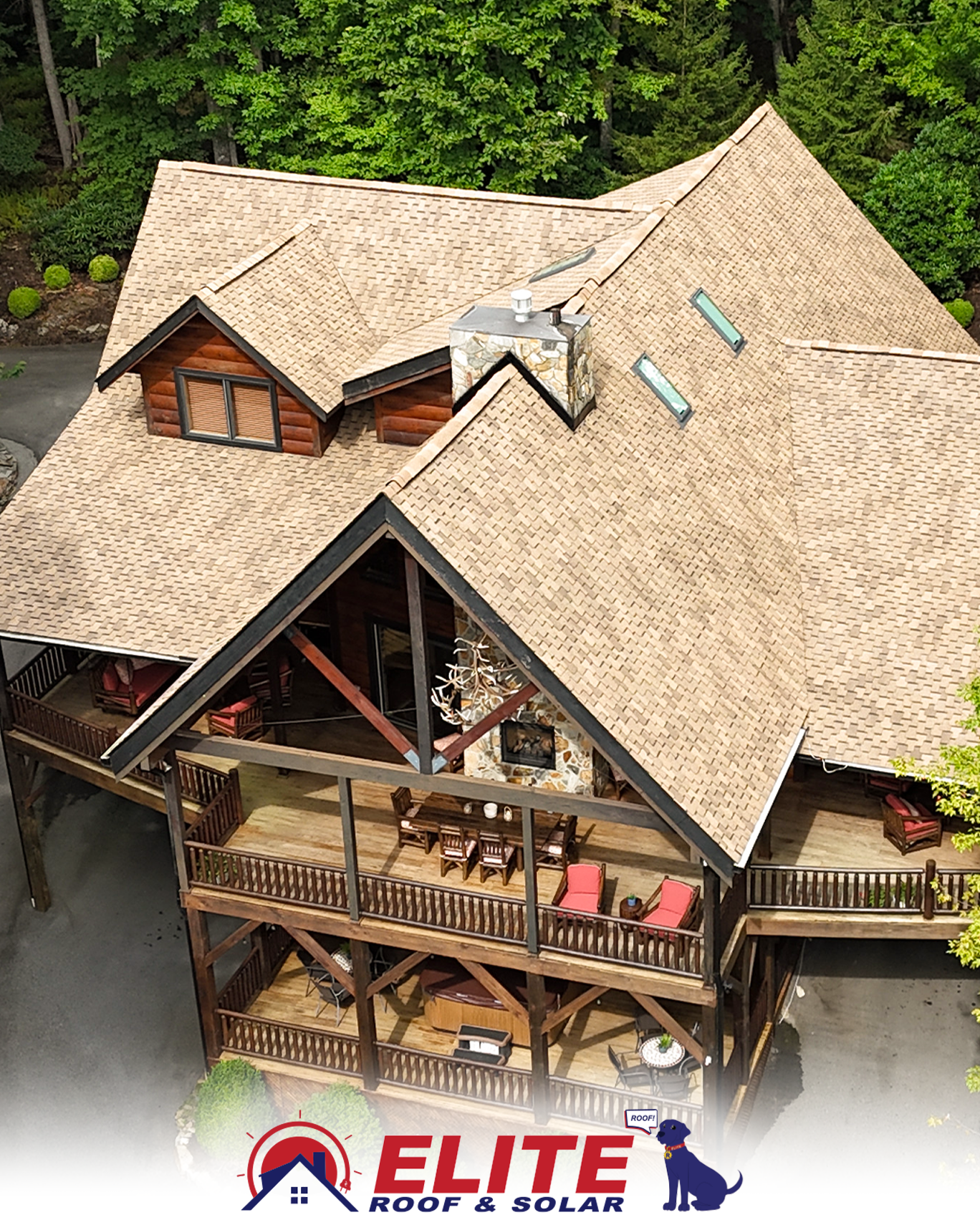
Shingle color is one of the most visible and permanent decisions you make about your home’s exterior. A well-chosen roof color ties together the home’s architectural character, coordinates with siding and trim, and creates a cohesive exterior that adds to resale appeal. A poorly chosen color — or a color that clashes with the home’s other elements — is visible from the street for the next 25 years.
Yet many homeowners spend less time on shingle color selection than on choosing a paint color for a single interior room. This guide provides a framework for making a confident, informed decision.
How to Choose Shingle Colors That Match Your Home’s Architecture
The most important inputs for roof color selection are the home’s architectural style and existing siding material.
Traditional and Colonial styles typically pair well with classic neutral roof tones — charcoal, dark gray, black, or brown. These colors reference the historical roofing materials (slate, cedar shake) that traditional architecture was designed around.
Craftsman and Bungalow styles have strong design traditions that often favor warmer tones — blended browns, greens, or warm grays that complement natural wood and stone elements common in Craftsman homes.
Contemporary and Modern homes are well-served by crisp charcoal or black roofs that provide high contrast against clean lines and neutral siding. Metal roofing in standing seam profiles is increasingly popular on contemporary architecture for this reason.
Ranch and Farmhouse styles are relatively flexible — both warm and cool neutral tones work well depending on siding color.
Historic homes may have specific architectural review requirements or design guidelines from local preservation ordinances. Research these before committing to a color.
Coordinating With Siding and Trim
The roof and the exterior wall surface need to work together, not compete. A few principles:
Contrast creates definition. Light siding with a dark roof creates a strong, defined look. Dark siding with a light roof is less common but can be effective on modern architecture.
Harmonize, don’t match. A roof that exactly matches the siding color creates a flat, monolithic appearance. The roof should complement the siding — sharing undertones or contrasting intentionally — not replicate it.
Consider the trim. The trim color creates a three-color relationship with the siding and roof. Generally, the roof is the darkest element, trim is lighter than siding, and siding is the middle tone — though this hierarchy is regularly broken on contemporary homes effectively.
Brick homes need particular care. Brick siding has strong undertones — warm reds and oranges — that constrain effective roof color choices. Brown, tan, or warm charcoal tones typically work better than cool blue-gray tones on brick homes.
Energy Considerations
Roof color affects thermal performance in ways that matter for energy bills.
Dark roof colors (charcoal, black, dark brown) absorb significantly more solar radiation than light colors, which transfers heat into the attic below. In cooling-dominated climates — most of the Carolinas — a dark roof can increase cooling loads by a meaningful amount.
Light roof colors (light gray, tan, beige) and Energy Star-rated products with high reflectance values reduce cooling loads. Manufacturers like GAF offer their Timberline CS (Cool Series) and Owens Corning their Solar Defense technology specifically for homeowners in warm climates who want color options that minimize solar heat gain.
The trade-off is that light roofs absorb less heat in winter as well, which slightly increases heating loads. In the Carolinas, where cooling season is long, the net benefit of a reflective roof is generally positive.
What Neighbors and Neighborhood Norms Suggest
Your roof doesn’t exist in isolation — it is part of a streetscape that has its own visual character. Looking at what roofing colors predominate in your neighborhood provides useful context. Highly unusual color choices — bright colors, very dramatic contrasts — may reduce resale appeal in conservative markets even if they satisfy your personal aesthetic.
If your neighborhood has an HOA, review the exterior modification guidelines before selecting a color. Many HOAs have approved color palettes that limit options.
Sampling Before Committing
Shingle color choices should be evaluated in the actual environment, not from a 2-inch sample card in a showroom.
Manufacturers offer large sample panels that can be placed against the home’s exterior and viewed in natural light at different times of day. This is worth requesting before finalizing your selection — shingle colors look substantially different on a large roof surface versus a small sample, and afternoon light, morning light, and overcast light all change color appearance.
Many manufacturers also offer digital visualization tools that allow you to see a photo of your home with different shingle colors overlaid. These tools have improved significantly and provide a useful starting point for narrowing options.
Related Reading: Shingle Types, Costs, and Longevity Guide | What to Know When Replacing Your Roof
External Resource: GAF Virtual Home Remodeler — Shingle Color Visualizer